
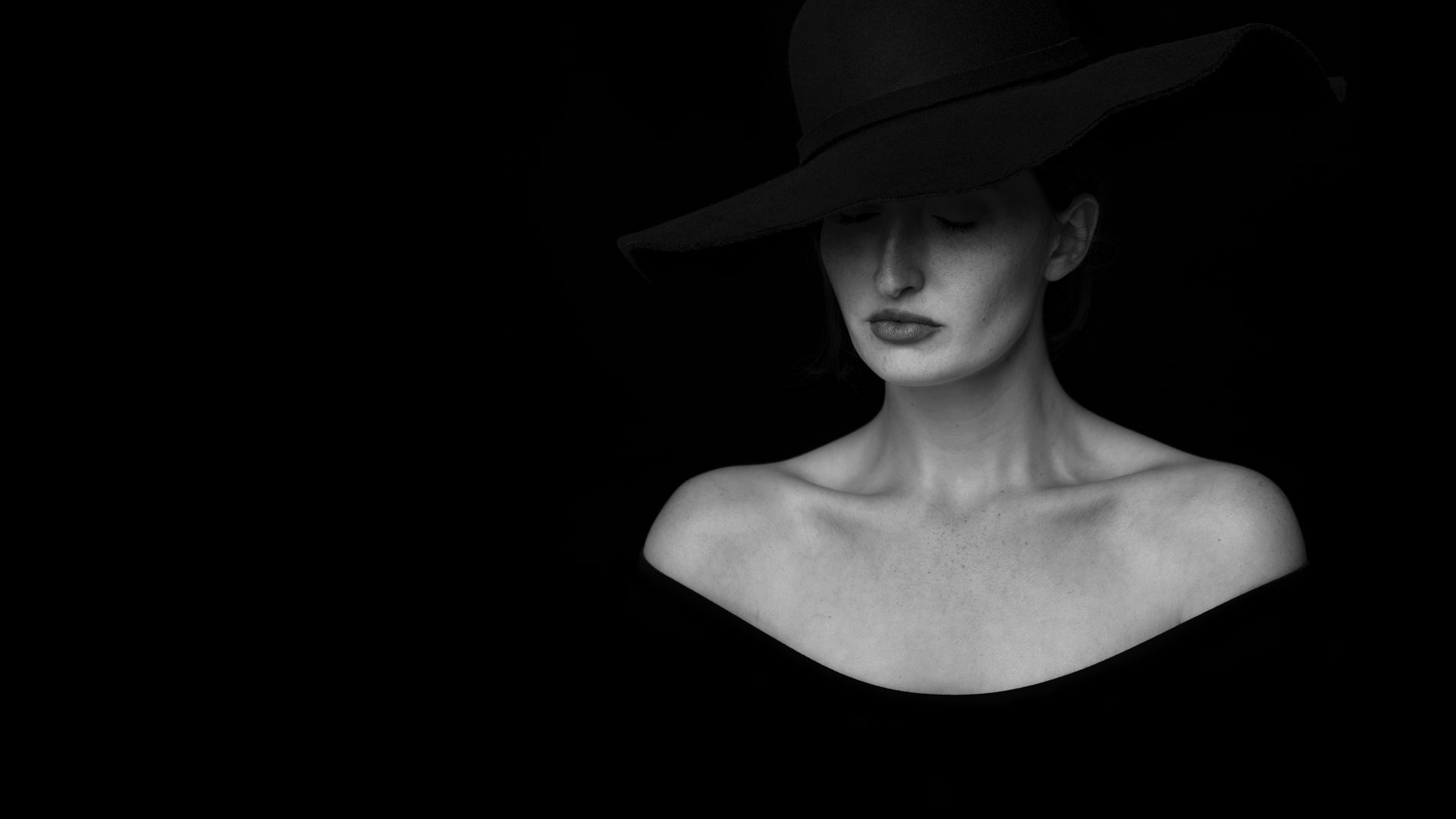
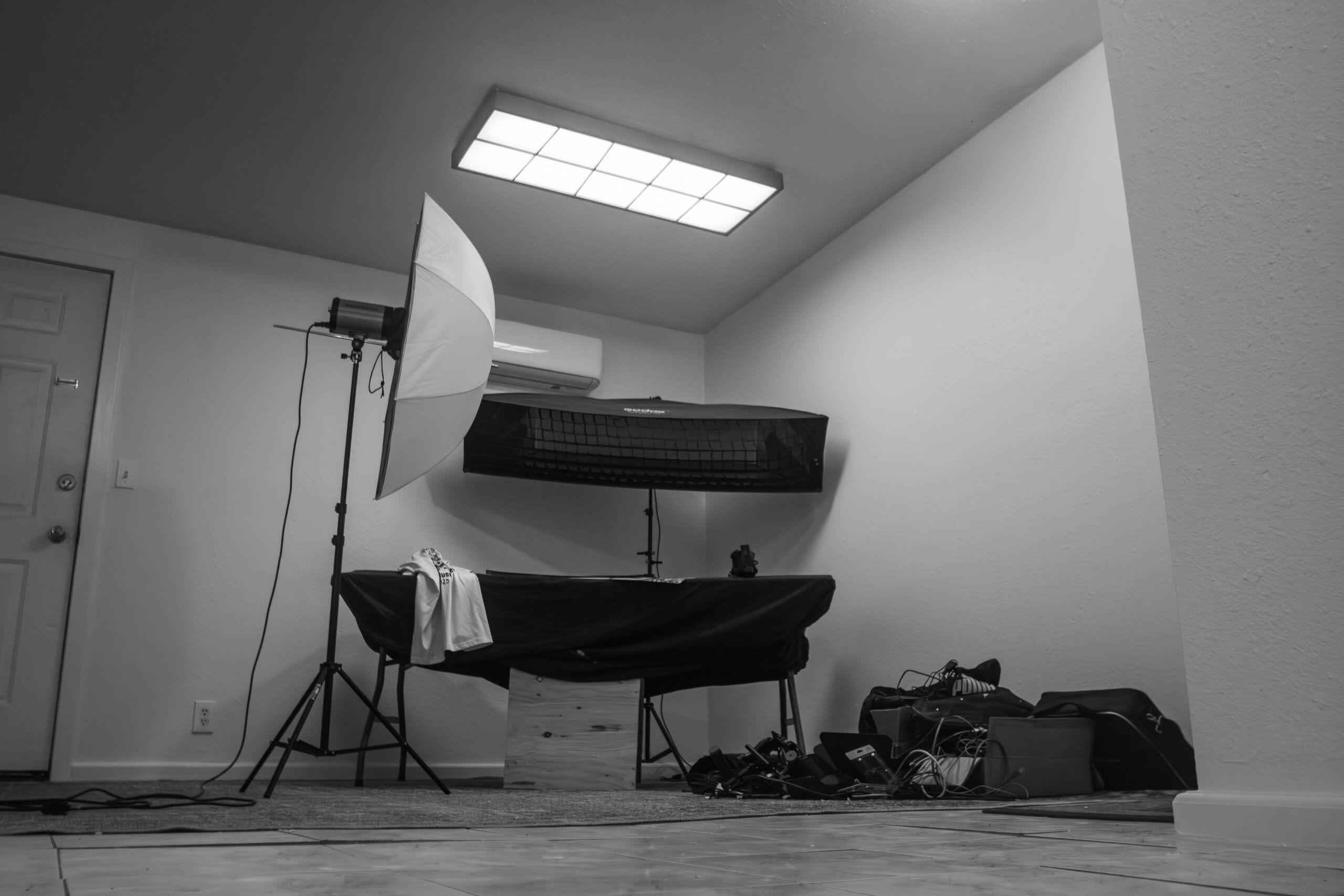
April carries a natural sense of renewal, making it an especially meaningful time to consider a nude photoshoot as a way to reconnect with yourself in a season defined by growth and openness. As the light softens and the world begins to bloom again, the environment naturally complements a more honest, unguarded form of self-expression, whether you’re working indoors with gentle daylight or here at Boise’s Ann Morrison Park surrounded by new life. There’s also something powerful about using this in-between moment of the year—neither harsh winter nor peak summer—to document yourself without pressure or expectation, simply as you are right now. In that way, a nude photoshoot in April becomes less about appearance and more about awareness, offering a chance to create images that feel grounded, personal, and quietly aligned with the rhythm of the season.
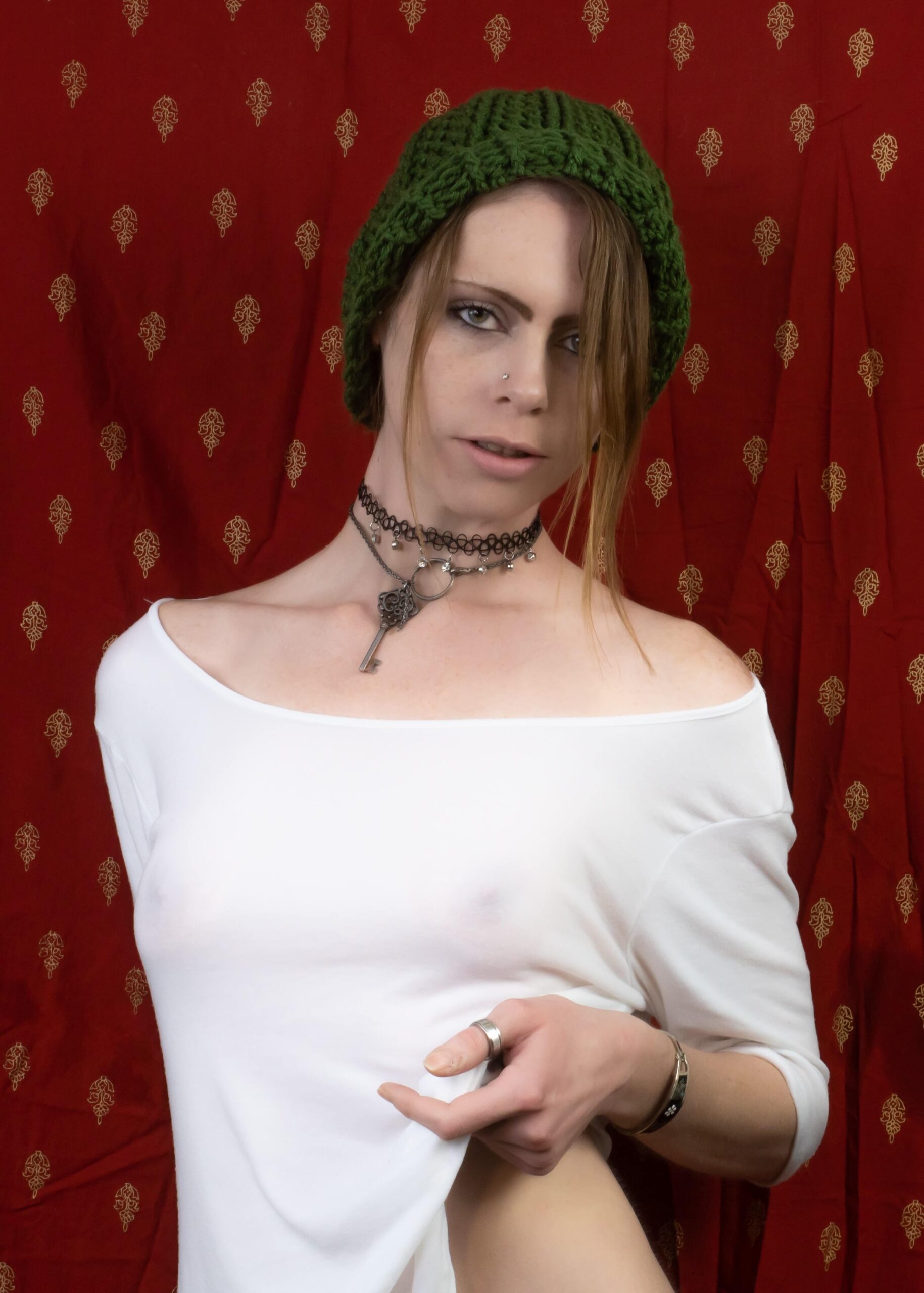
Choosing to do a nude photoshoot when you feel young and confident in your body can be a meaningful way to preserve a moment in time that inevitably changes. Youth often comes with a certain ease of movement, curiosity, and evolving self-identity, and capturing that through photography can serve as a personal record rather than just an image. It’s less about chasing an ideal of “beauty” and more about acknowledging and appreciating your body in a phase where you may feel more open to exploration and self-expression. Over time, those images can take on deeper value—not just as documentation of how you looked, but as a reminder of how you felt, the risks you were willing to take creatively, and the relationship you had with yourself at that point in your life.
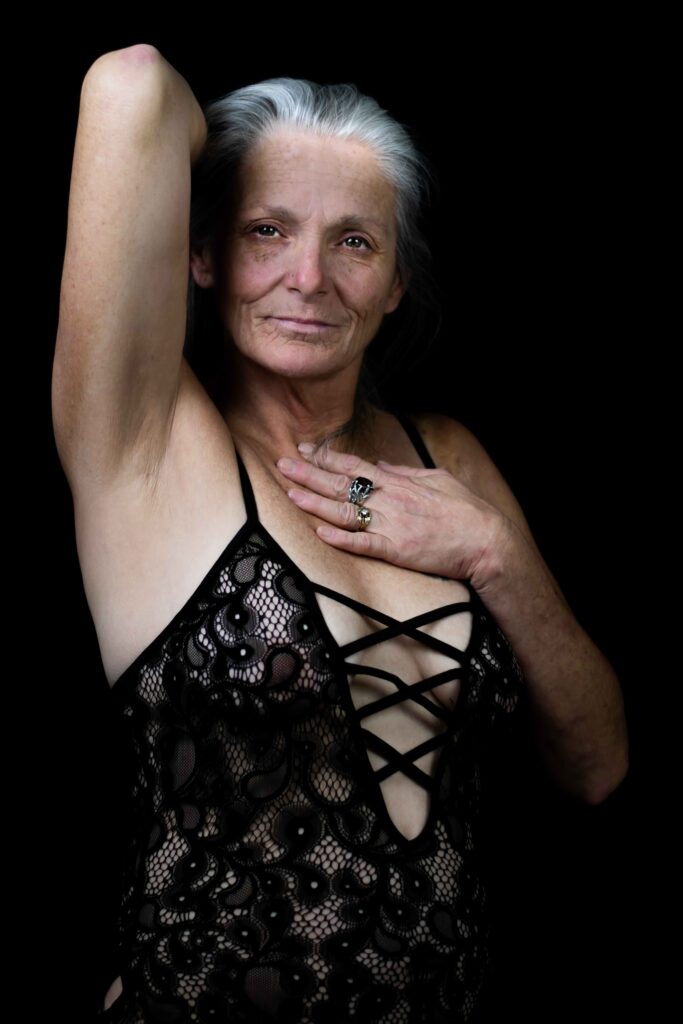
As we get older, a nude photoshoot can be a powerful celebration of confidence, experience, and self-acceptance. At this stage in life, you carry a story in every line and curve—one shaped by resilience, growth, and authenticity. Choosing to step in front of the camera without barriers isn’t about perfection; it’s about honoring who you are right now. Many people find it deeply empowering, even liberating, to see themselves through a lens that highlights strength, beauty, and individuality rather than societal expectations. It’s not about age—it’s about owning your presence and embracing yourself fully, just as you are.
Seeing your nude body photographed from by me offers a perspective that’s almost impossible to achieve on your own, and that shift alone can be incredibly valuable. When you’re not holding the camera or controlling every detail in real time, you’re able to step out of the moment and later view yourself more objectively—less as a subject you’re trying to manage and more as a complete form existing within a space. This outside perspective can reveal posture, presence, and subtle expressions you might never notice in a self-portrait, often leading to a deeper appreciation of your body as a whole rather than in isolated parts. It also introduces an element of trust and collaboration, where my camera captures something you might not have seen in yourself, resulting in images that feel more expansive, less controlled, and often more honest in their portrayal.
There can be something quietly powerful about choosing to step outside expectations, especially as a woman, and redefining what is considered acceptable or “proper” on your own terms. Allowing me to capture nude images of you can become an act of rebellion—not for shock value, but as a way of reclaiming authorship over your body and how it’s seen. Instead of following unspoken rules about modesty, control, or perfection, you’re choosing trust, expression, and a willingness to be witnessed without apology. Working with someone skilled also means that rebellion is supported by intention and artistry, resulting in images that feel strong rather than careless. In that space, the experience becomes less about breaking rules for the sake of it, and more about asserting independence, embracing vulnerability as strength, and creating something that reflects your own version of confidence and freedom.
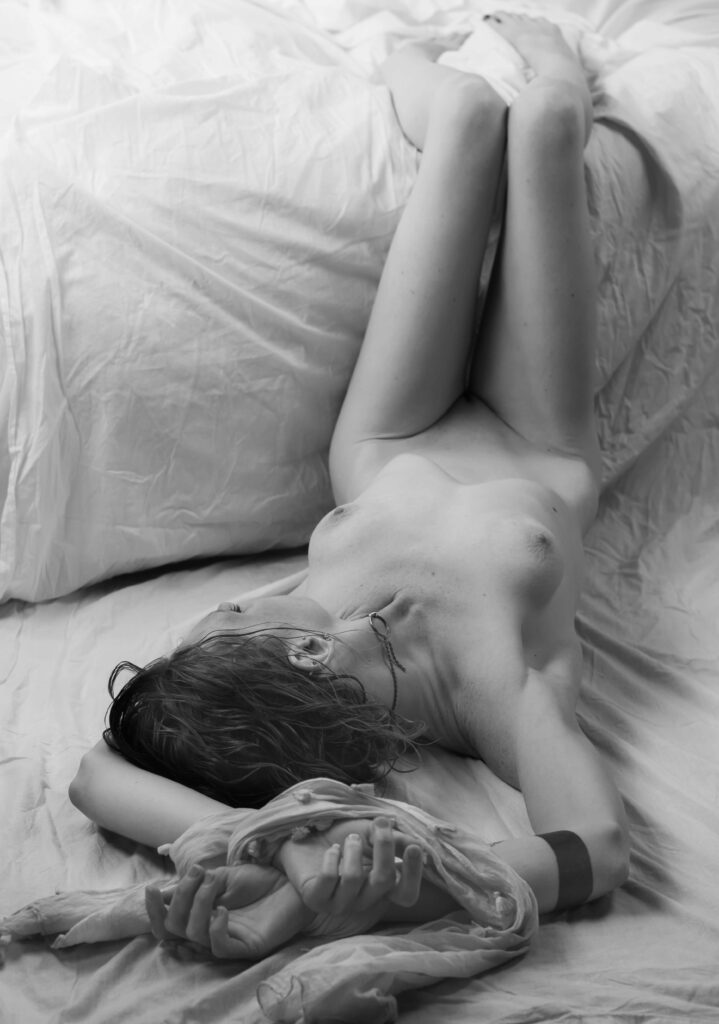
Looking at ourselves nude in the mirror can feel revealing, but it’s actually a limited and sometimes deceptive perspective because it only shows us a version we’re actively controlling. We tend to adjust posture, angle our bodies, and focus on familiar details, creating an image shaped by habit and self-perception rather than reality. A mirror also presents a reversed, close-up view, which isn’t how others typically see us in everyday life. As a result, we may fixate on specific features while missing the overall presence—how our body moves, carries itself, and exists in space. Recognizing this limitation can be freeing, because it reminds us that our self-image isn’t the full picture, and that there are dimensions of how we appear that we simply can’t access on our own.
